高效CRM系统:构建客户忠诚度

Liang Wei Liaw • June 21, 2024

在现代竞争激烈的商业环境中,客户管理系统(CRM)的作用日益凸显。一个高效的CRM能够助力企业提升销售效率,优化客户服务体验,强化营销策略,并巩固客户忠诚度。本文将带您深入了解CRM,并探讨其在餐饮(F&B)、零售和美容服务等行业中的关键角色。


一、CRM的核心理念

客户管理系统,简称CRM,是企业管理和分析客户关系的核心工具。其核心宗旨在于通过获取、培养和维护高价值客户,深入挖掘客户需求,提供个性化的服务及产品,从而缩短销售周期、降低成本,增加企业收入,并显著提升客户满意度、忠诚度与盈利能力,推动企业实现可持续增长。


二、CRM在不同行业的应用

1. 餐饮CRM:味蕾与忠诚的双重提升

在餐饮领域,CRM在打造个性化服务体验方面尤为关键。通过捕捉顾客的口味偏好和用餐习惯,CRM系统帮助餐厅精准推送定制化的优惠活动,从而创造更为独特和难忘的用餐经历。此外,借助CRM系统的数据分析功能,餐饮企业可以预知顾客需求,制定有效的营销策略,稳固客户基础。


2. 零售CRM:购物体验的华丽转身

对于零售企业而言,CRM是实现单次交易向长期复购转化的重要桥梁。通过追踪客户的购买历史、喜好及行为模式,零售CRM系统助力企业为消费者提供量身定制的购物体验。这不仅能够增强客户忠诚度,促进复购率的提升,还为开展精准营销活动开辟了新的途径。


3. 美容服务CRM:升级个人护理体验

在美容行业,CRM为沙龙和美容院带来了全新的客户管理体验。利用CRM工具,经营者可以轻松跟踪客户的护肤偏好、预约记录及产品使用习惯,从而提供更加精准的服务和产品推荐。通过深入了解并预测客户需求,美容服务机构能够显著提升客户满意度,吸引回头客,并推出个性化的忠诚计划,进一步增强客户黏性。


三、CRM与客户忠诚度的构建

不论在哪个行业,CRM在提升客户忠诚度方面都发挥着举足轻重的作用。通过对客户数据的捕捉和分析,企业能够量身定制产品、沟通方式及奖励机制,以满足客户的个性化需求。这种量身定制的服务方式不仅能够培养客户忠诚度,还能通过口碑传播吸引新客户,实现企业的持续发展。


四、选择合适的CRM解决方案

对于希望充分发挥CRM潜力的企业来说,选择适合的CRM解决方案至关重要。无论是餐饮、零售还是美容行业,CRM系统都应紧密结合企业的实际需求和目标。一个优秀的CRM系统应具备强大的数据分析能力、直观易用的界面以及灵活可定制的功能,以帮助企业构建和维护稳固的客户关系。


五、总结:CRM作为战略资产

综上所述,CRM不仅是现代商业领域的一个流行词汇,更是餐饮、零售和美容服务等行业的战略资产。通过引入符合行业特色的CRM系统,企业能够充分利用客户数据,提升客户忠诚度,并在激烈的市场竞争中脱颖而出。正如古语所云:“知己知彼,百战不殆”,CRM正是企业实现这一目标的重要工具,为企业与其宝贵的客户创造共赢的局面。


若您正在寻找适合餐饮、零售或美容服务行业的CRM软件,请点击此处与我们Minty CRM 团队联系,我们将为您提供专业的解决方案和服务,助您开创业务新篇章!


Interested in a CRM Based POS System, QR ordering or a standalone CRM membership system?

Send an Enquiry!

You might also like

By Liang Wei Liaw December 22, 2025
Ask any F&B owner what keeps them up at night, and manpower will almost always be at the top of the list. While customers see food, ambience, and service, operators deal daily with staff shortages, high turnover, rising labour costs, and the constant pressure to maintain service standards with limited headcount. In today’s F&B landscape, manpower is no longer just an operational issue—it is a strategic one. High Turnover Is the Norm, Not the Exception Unlike many industries, high staff turnover is an accepted reality in F&B. Part-time workers come and go, full-time staff leave for better hours or pay, and seasonal fluctuations add further instability. Each resignation means new recruitment, retraining, and a temporary drop in efficiency. Over time, this revolving door quietly increases costs and drains management attention, even if salaries remain unchanged. Labour Costs Keep Rising, Margins Do Not Wages, levies, and benefits have steadily increased, while menu prices cannot be raised endlessly without losing customers. Many F&B operators find themselves squeezed between rising labour costs and razor-thin margins. Hiring more staff to improve service often worsens profitability, yet running lean risks burnout and inconsistent customer experiences. This tension is now one of the biggest structural challenges in the industry. Training Time Is a Hidden Cost Training is often underestimated. Every new hire requires time—time from supervisors, time away from peak operations, and time before the staff member becomes productive. When turnover is high, training never truly ends. This is especially challenging during peak periods, where untrained staff slow down operations and increase mistakes, directly affecting customer satisfaction. Skill Gaps and Inconsistent Service Not all staff arrive with the same skill level or experience. Some require extensive guidance to use POS systems, handle payments, or follow service workflows. Inconsistent skills lead to inconsistent service, which customers notice immediately. For brands trying to build loyalty, this inconsistency can be more damaging than a slightly higher price point. Burnout and Morale Issues When teams are understaffed, existing employees often shoulder the extra workload. Longer hours, faster pace, and fewer breaks lead to burnout, mistakes, and eventually resignation—fueling the turnover cycle once again. Low morale also affects service quality, creating a negative feedback loop that impacts both staff retention and customer experience. Scheduling Complexity and Peak-Hour Pressure F&B manpower demand is uneven. Lunch and dinner rushes, weekends, and promotions require significantly more staff than off-peak hours. Poor scheduling leads to either overstaffing (higher costs) or understaffing (slower service and frustrated customers). Managing this balance manually becomes increasingly difficult as the business grows. Why Manpower Problems Can’t Be Solved by Hiring Alone Many operators initially respond to manpower challenges by hiring more people. In reality, this often treats the symptom rather than the root problem. Without efficient workflows, clear processes, and supportive systems, adding staff increases complexity without meaningfully improving performance. Sustainable solutions require reducing dependency on manpower, not just increasing headcount. Rethinking Manpower Through Systems and Processes Forward-looking F&B businesses focus on simplifying operations so fewer people can do more, with less stress. Clear SOPs, intuitive interfaces, and well-designed workflows reduce training time and mistakes. Technology, when implemented correctly, helps staff work faster and more confidently rather than replacing human service altogether. Turning a Challenge into a Competitive Advantage F&B brands that manage manpower well gain a powerful edge. Lower turnover means better-trained staff. Simpler operations mean faster service. Happier employees create better customer experiences. In an industry where many struggle with the same issues, strong manpower management can be the difference between survival and sustainable growth. Manpower challenges in F&B are not going away. Labour shortages, rising costs, and changing workforce expectations are now part of the operating environment. The most resilient F&B businesses are not those with the most staff, but those with the best systems, processes, and workflows to support the staff they have . If you are interested in F&B solution that helps you rely less heavily on manpower by streamlining solutions, click here to get in touch with us!

September 26, 2025
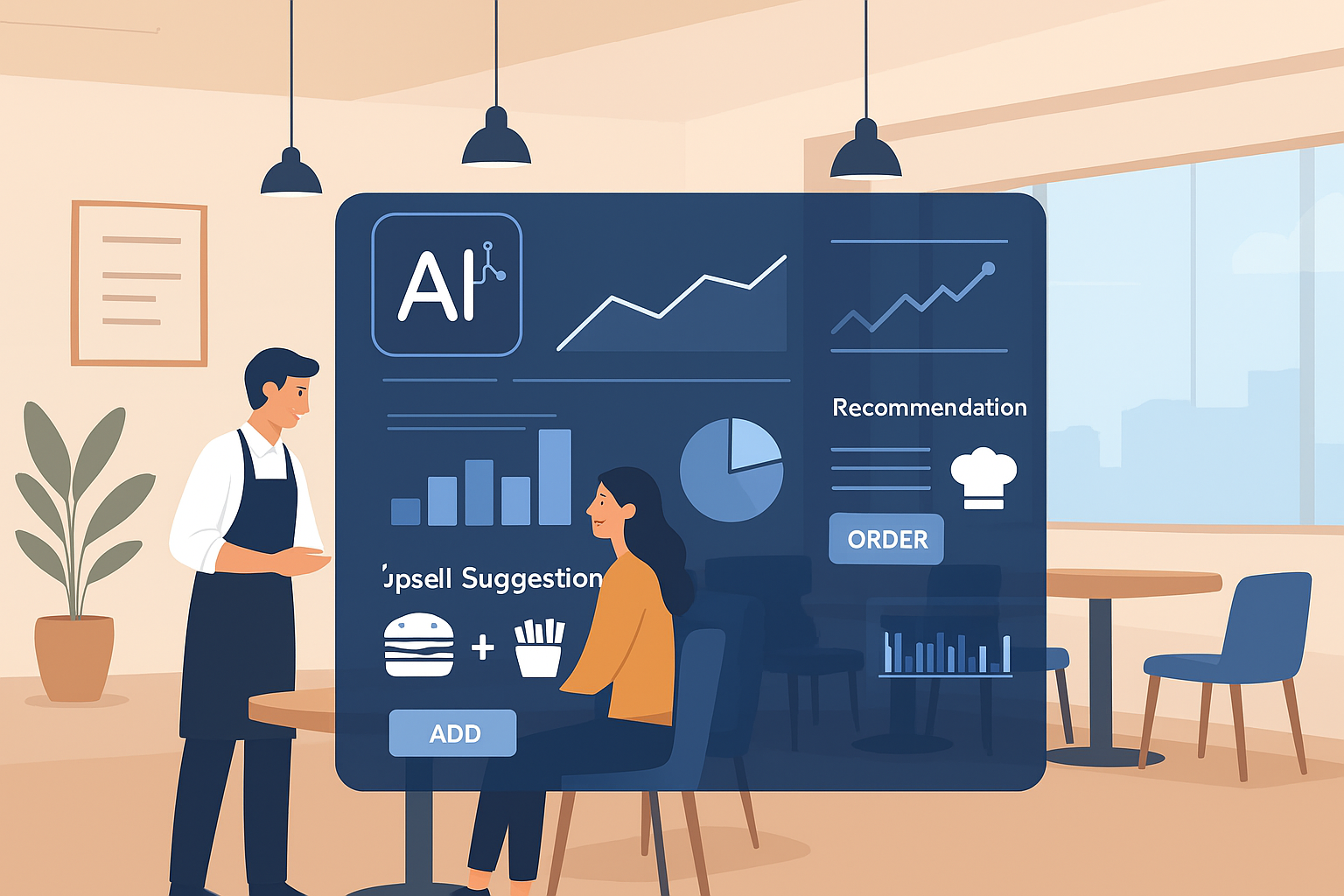
Singapore’s F&B industry is fast-paced and unforgiving. Rising rents, manpower shortages, and changing consumer habits leave owners scrambling for solutions. The good news? AI (Artificial Intelligence) offers practical, immediate benefits to help F&B operators not only survive but thrive. Here’s why AI is quickly becoming a must-have in restaurants, cafés, and takeaway outlets. 1. AI Chatbots: Serve Customers Faster Forget long waiting times for customer responses. AI chatbots answer booking requests, menu questions, and delivery queries instantly — on WhatsApp, websites, or even kiosks. This frees up staff for service where it matters most. 2. Personalized Promotions: Target Smarter, Spend Less AI studies customer history to offer relevant eVouchers and discounts. Instead of blasting one-size-fits-all promos, you reach the right person with the right offer. This reduces wasted discounts while boosting redemption rates. 3. Dynamic Pricing: Maximize Every Seat Quiet afternoons? Offer discounted bundles. Fully booked weekends? Price premium dishes higher. AI-driven dynamic pricing adapts in real time, ensuring you’re maximizing profit potential across different scenarios. 4. Upsell & Cross Sell: Increase Every Bill When customers order, AI suggests logical add-ons: desserts, drinks, or sides. These small prompts add up, raising average order size without pushing extra work on staff. 5. Smarter Loyalty Programs: Win Customers Back AI doesn’t just reward loyal customers. it predicts when someone is about to stop visiting and re-engages them. For example, sending a “We miss you” voucher after two months of no visits. 6. Revenue Forecasting: Take the Guesswork Out AI crunches data to forecast demand. That means you know which day will be busiest, how much stock to prepare, and when to roster staff. This helps reduce waste and labor costs. 7. Profitability Analysis: Focus on Margins AI identifies which dishes are most profitable and which are dragging you down. Promoting high-margin items can lift profitability significantly without changing your customer base. 8. Fraud Detection: Spot Issues Before They Spread Whether it’s suspicious voids or misuse of discounts, AI can alert you to unusual activity across outlets. This strengthens financial control, especially for chains with multiple branches. 9. Menu Engineering: Data-Backed Decisions AI breaks down your menu into categories like “stars” and “dogs,” showing which dishes should be highlighted or removed. No more relying on gut feeling — decisions are guided by hard data. 10. Customer Taste Prediction: Innovate Safely Instead of guessing what customers might like, AI analyzes ordering patterns to suggest new dishes they’re likely to try. This lowers the risk of failed launches and makes innovation more strategic. 11. Trend Tracking: Anticipate What’s Next Food trends change fast. AI scans social platforms and reviews to detect what’s trending — whether it’s plant-based meals or specific flavors. Being early helps you stand out from the competition. Conclusion AI is able to give F&B businesses like you a competitive advantage for F&B businesses in Singapore. From growing bill sizes to protecting against fraud, AI gives you actionable insights to improve every part of your business.
By Liang+Wei Liaw September 17, 2025
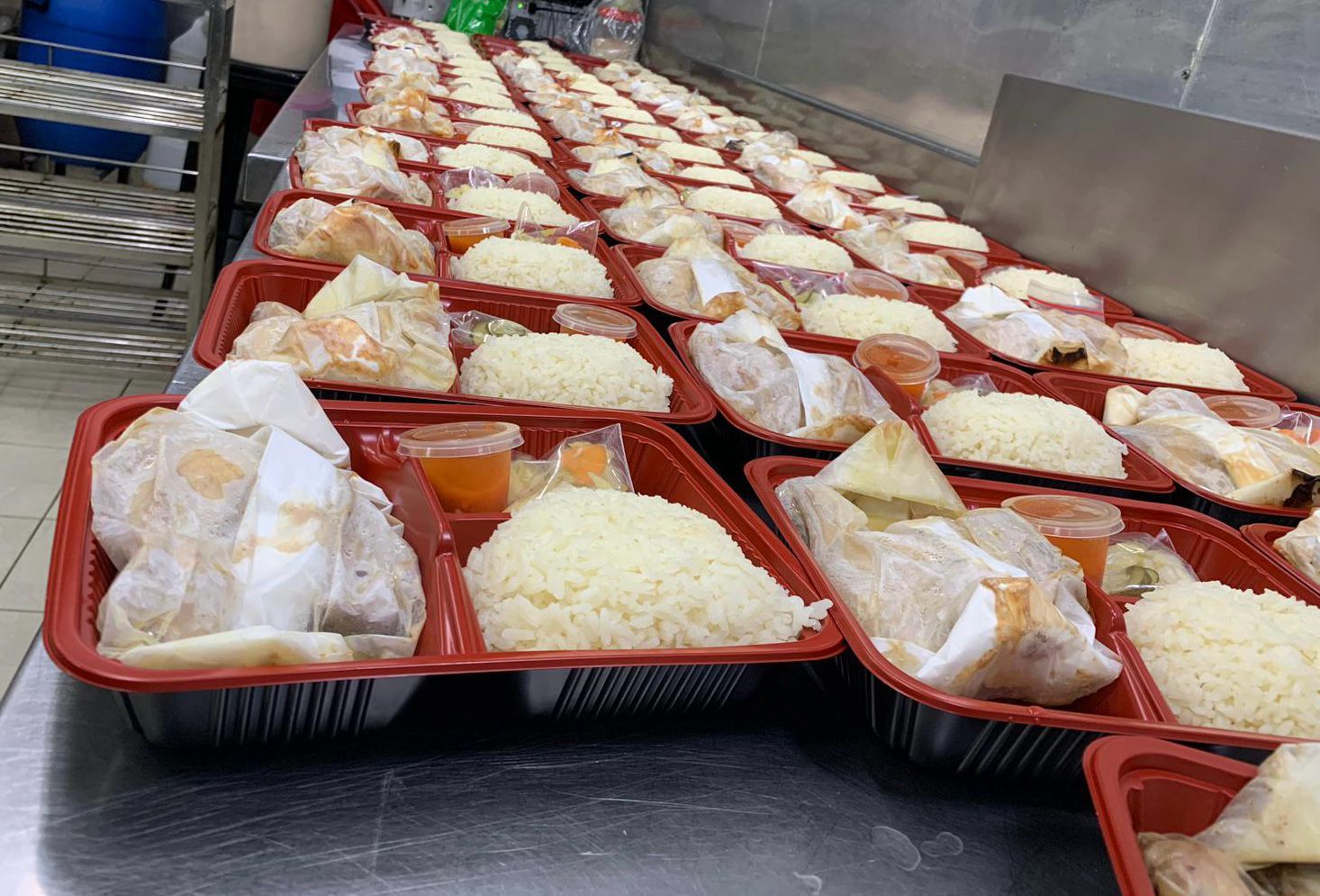
Imagine receiving a $500 catering order. Your team works tirelessly, sourcing fresh ingredients and preparing trays of food. But when the collection time comes, no one shows up and no payment was ever made. Unfortunately, this nightmare scenario happnes in Singapore’s F&B industry. Fake bulk orders are more than just a prank they have serious impacts on your F&B business. Why Fake Orders Are Dangerous Drain on Resources Fake bulk orders consume valuable ingredients, packaging, and prep time. The loss isn’t just the food — it’s the hours of staff effort that could have been spent serving real customers. Direct Financial Losses A large fake order can amount to hundreds of dollars of wasted food. For small operators, one incident can wipe out days of profit. Over time, repeated cases can cripple a business. Missed Opportunities While preparing a fake bulk order, the kitchen may reject real customers or compromise on their service quality. These lost opportunities are often harder to quantify but just as damaging. Staff Morale Impact It’s demoralizing for employees to see their hard work wasted. Chefs and service staff lose motivation when fraudsters exploit the system, especially if incidents happen repeatedly. Practical Steps to Protect Your Business Require Deposits Set a policy where orders above a certain amount (e.g., $100 or more) require a deposit or full payment. This simple barrier eliminates most pranksters. Use Online Ordering with Payment Integration Adopt a system that collects payment before order confirmation . Customers can browse, order, and pay instantly — ensuring your kitchen only works on real orders. Verify Unusual Orders If an order seems unusually large or urgent, confirm details by calling the customer or requesting ID verification. A few minutes of due diligence can save hundreds in losses. Block Repeat Offenders Track suspicious numbers and repeat no-shows. Modern POS and CRM systems make it easy to identify patterns and flag bad actors. How MEGAPOS Helps MEGAPOS Online Ordering was designed with these challenges in mind. By requiring upfront online payment , merchants eliminate the risk of cooking for fake orders. Every order flows seamlessly from the customer to the POS and into the kitchen. Benefits include: No more unpaid bulk orders Guaranteed revenue collection Efficient kitchen operations Staff focus on genuine customers Final Word Fake bulk orders aren’t just an inconvenience they’re a serious threat that wastes ingredients and cost as well as de-moralizes staff in Singapore’s F&B industry. The solution isn’t to hope for better customers, but to adopt better systems. With MEGAPOS Online Ordering, every order is real, paid, and worth your team’s effort. Contact us to discover how MEGAPOS keeps your F&B business protected by clicking here