By Liang Wei Liaw
•
December 22, 2025
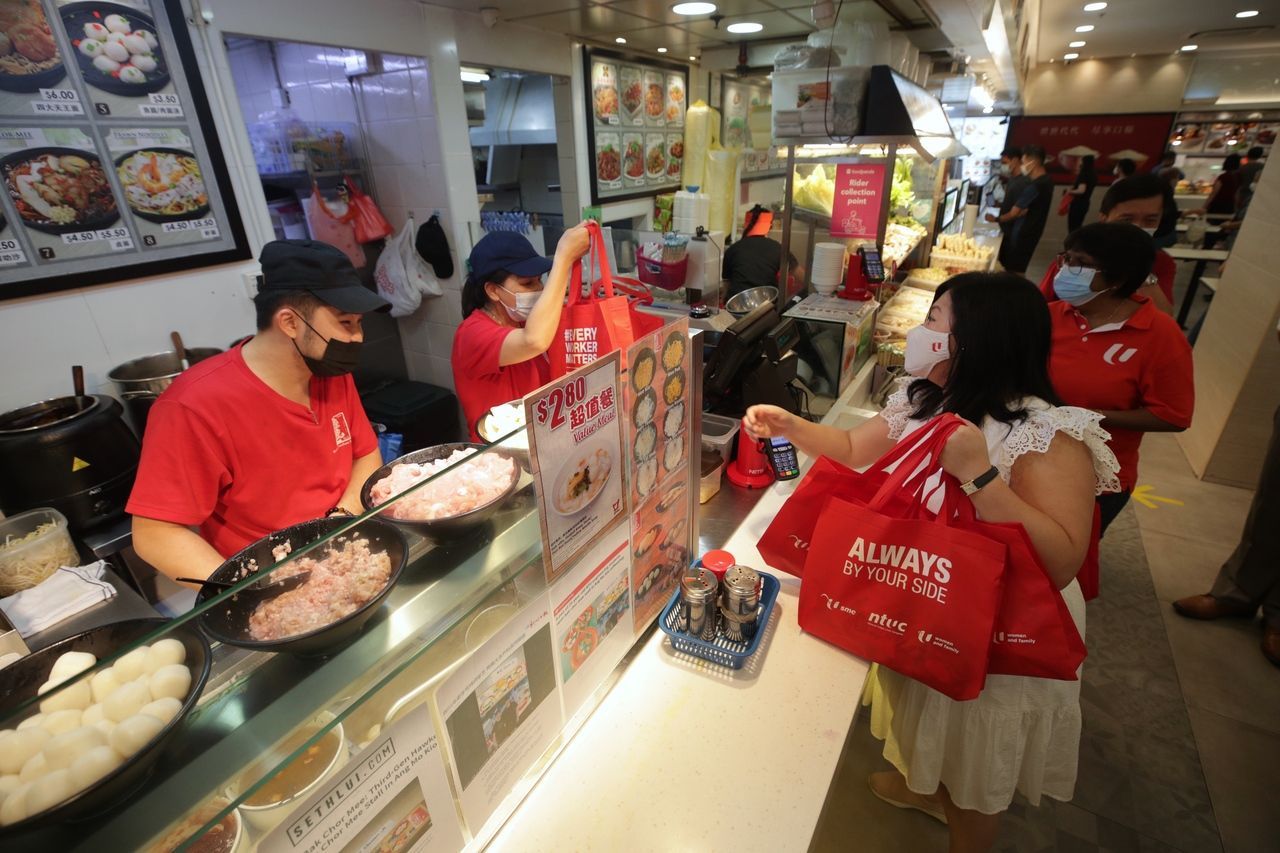
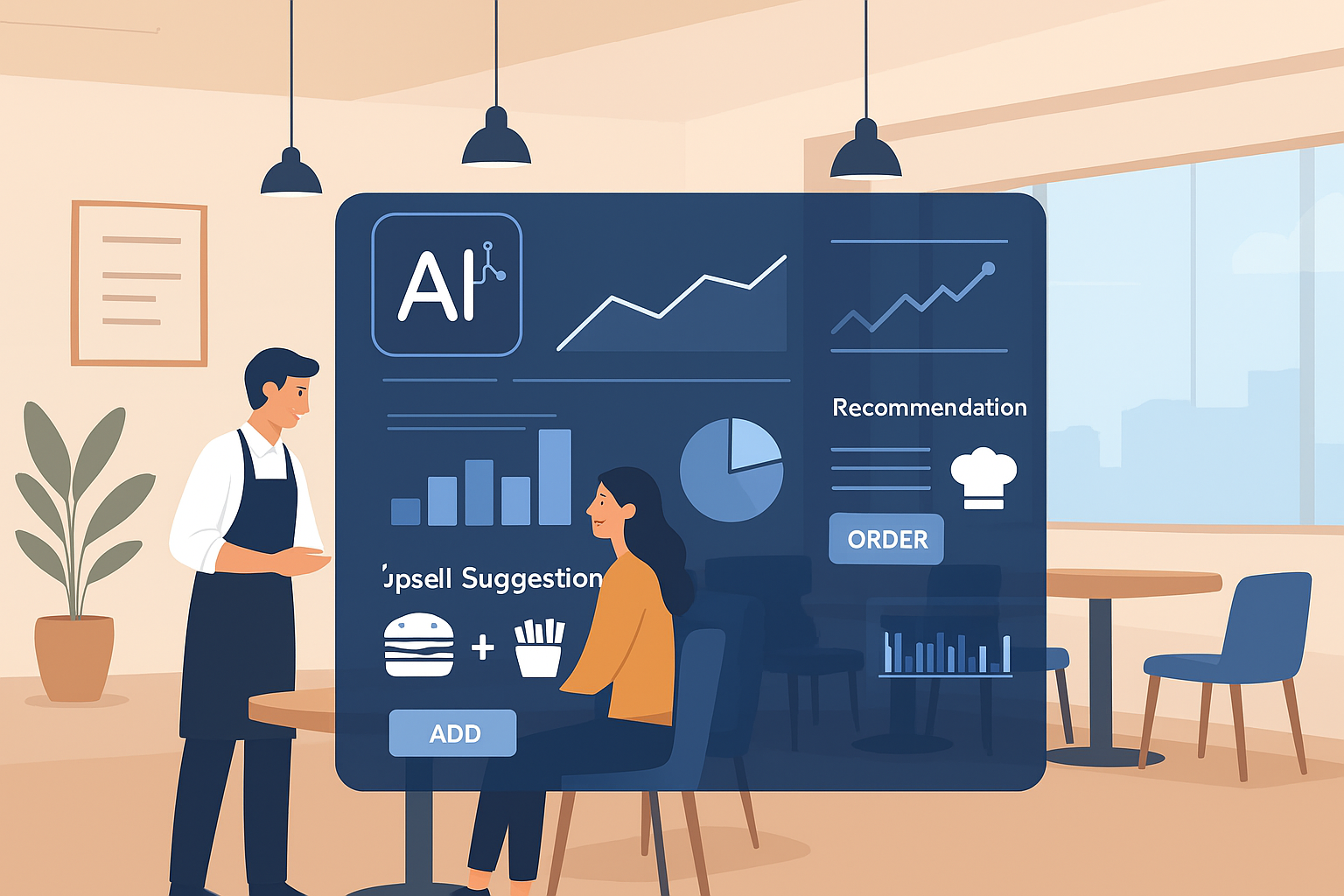
Ask any F&B owner what keeps them up at night, and manpower will almost always be at the top of the list. While customers see food, ambience, and service, operators deal daily with staff shortages, high turnover, rising labour costs, and the constant pressure to maintain service standards with limited headcount. In today’s F&B landscape, manpower is no longer just an operational issue—it is a strategic one. High Turnover Is the Norm, Not the Exception Unlike many industries, high staff turnover is an accepted reality in F&B. Part-time workers come and go, full-time staff leave for better hours or pay, and seasonal fluctuations add further instability. Each resignation means new recruitment, retraining, and a temporary drop in efficiency. Over time, this revolving door quietly increases costs and drains management attention, even if salaries remain unchanged. Labour Costs Keep Rising, Margins Do Not Wages, levies, and benefits have steadily increased, while menu prices cannot be raised endlessly without losing customers. Many F&B operators find themselves squeezed between rising labour costs and razor-thin margins. Hiring more staff to improve service often worsens profitability, yet running lean risks burnout and inconsistent customer experiences. This tension is now one of the biggest structural challenges in the industry. Training Time Is a Hidden Cost Training is often underestimated. Every new hire requires time—time from supervisors, time away from peak operations, and time before the staff member becomes productive. When turnover is high, training never truly ends. This is especially challenging during peak periods, where untrained staff slow down operations and increase mistakes, directly affecting customer satisfaction. Skill Gaps and Inconsistent Service Not all staff arrive with the same skill level or experience. Some require extensive guidance to use POS systems, handle payments, or follow service workflows. Inconsistent skills lead to inconsistent service, which customers notice immediately. For brands trying to build loyalty, this inconsistency can be more damaging than a slightly higher price point. Burnout and Morale Issues When teams are understaffed, existing employees often shoulder the extra workload. Longer hours, faster pace, and fewer breaks lead to burnout, mistakes, and eventually resignation—fueling the turnover cycle once again. Low morale also affects service quality, creating a negative feedback loop that impacts both staff retention and customer experience. Scheduling Complexity and Peak-Hour Pressure F&B manpower demand is uneven. Lunch and dinner rushes, weekends, and promotions require significantly more staff than off-peak hours. Poor scheduling leads to either overstaffing (higher costs) or understaffing (slower service and frustrated customers). Managing this balance manually becomes increasingly difficult as the business grows. Why Manpower Problems Can’t Be Solved by Hiring Alone Many operators initially respond to manpower challenges by hiring more people. In reality, this often treats the symptom rather than the root problem. Without efficient workflows, clear processes, and supportive systems, adding staff increases complexity without meaningfully improving performance. Sustainable solutions require reducing dependency on manpower, not just increasing headcount. Rethinking Manpower Through Systems and Processes Forward-looking F&B businesses focus on simplifying operations so fewer people can do more, with less stress. Clear SOPs, intuitive interfaces, and well-designed workflows reduce training time and mistakes. Technology, when implemented correctly, helps staff work faster and more confidently rather than replacing human service altogether. Turning a Challenge into a Competitive Advantage F&B brands that manage manpower well gain a powerful edge. Lower turnover means better-trained staff. Simpler operations mean faster service. Happier employees create better customer experiences. In an industry where many struggle with the same issues, strong manpower management can be the difference between survival and sustainable growth. Manpower challenges in F&B are not going away. Labour shortages, rising costs, and changing workforce expectations are now part of the operating environment. The most resilient F&B businesses are not those with the most staff, but those with the best systems, processes, and workflows to support the staff they have . If you are interested in F&B solution that helps you rely less heavily on manpower by streamlining solutions, click here to get in touch with us!